8 results ·
● Live web index

C
carbon180.org
article
https://carbon180.org/pathway/direct-air-capture/
Direct air capture (DAC) technologies remove carbon dioxide from the air for permanent storage. Together, this makes DAC one of the most notable technological carbon removal pathways today. At this concentration, the first thing DAC plants need to do is funnel *a lot* of air through their systems so that they can separate meaningful amounts of CO₂ from all of the other gases. The modular design of many DAC plants means these facilities can be scaled up while keeping a small physical footprint compared to other forms of carbon removal. > The US has invested billions in DAC — now is the time to defend and build on those policy wins, ensuring the sector stays focused on climate and delivers real benefits to communities nationwide. ## How Direct Air Capture Succeeds: A Framework for Effective DAC Hubs. This report explores how the Regional Direct Air Capture (DAC) Hubs program is a historic opportunity for the US to deploy carbon removal in a way that is just, equitable, and science driven.

E
en.wikipedia.org
article
https://en.wikipedia.org/wiki/Direct_air_capture
Direct air capture (DAC) is the use of chemical or physical processes to extract carbon dioxide (CO 2) directly from the ambient air. If the extracted CO 2

I
isometric.com
article
https://isometric.com/writing-articles/direct-air-capture-explained
Direct Air Capture (DAC) is a carbon removal technology that captures carbon dioxide directly from the atmosphere. The amount of carbon dioxide removed from the atmosphere by DAC is directly measurable by monitoring the flow and concentration of captured carbon dioxide at the point of storage. This means that there is a high level of confidence in the amount of carbon dioxide being captured by a DAC project as well as its climate benefit. DAC projects can essentially be deployed anywhere in the world where there is sufficient access to low-carbon energy and the infrastructure and capacity needed to store the captured carbon dioxide. As DAC removes carbon dioxide directly from the atmosphere there is an immediate benefit to the climate at the point of removal. **Benefits from captured carbon dioxide**. The captured carbon dioxide can be used to produce synthetic fuels, plastics or other chemicals—creating useful products without adding additional carbon dioxide to the atmosphere. Other DAC technologies also use electricity, membranes or water to filter carbon dioxide from the air.

C
climeworks.com
article
https://climeworks.com/direct-air-capture
[Skip to content](https://climeworks.com/direct-air-capture#content). * [Tailored portfolios High-quality nature & tech solutions](https://climeworks.com/tailored-carbon-removal-portfolios). * [Direct Air Capture technology Overview](https://climeworks.com/direct-air-capture). * [Technology deep-dive Engineered for climate impact](https://climeworks.com/highly-scalable-direct-air-capture). * [Investors](https://climeworks.com/investors). * [Blog More on carbon removal](https://climeworks.com/blog-direct-air-capture). * [Solutions](https://climeworks.com/carbon-removal-solutions). * [Tailored portfolios](https://climeworks.com/tailored-carbon-removal-portfolios). * [Resources](https://climeworks.com/resources). * [Direct Air Capture technology](https://climeworks.com/direct-air-capture). * [Technology deep-dive](https://climeworks.com/highly-scalable-direct-air-capture). * [Projects](https://climeworks.com/projects). * [About Climeworks](https://climeworks.com/journey). * [Newsroom](https://climeworks.com/newsroom). * [Blog](https://climeworks.com/blog-direct-air-capture). * [Careers](https://climeworks.com/careers). * [Leadership](https://climeworks.com/leadership). * [Sustainability](https://climeworks.com/sustainability). * [Contact](https://climeworks.com/contact). * [Tailored portfolios High-quality nature & tech solutions](https://climeworks.com/tailored-carbon-removal-portfolios). * [Direct Air Capture technology Overview](https://climeworks.com/direct-air-capture). * [Technology deep-dive Engineered for climate impact](https://climeworks.com/highly-scalable-direct-air-capture). * [Blog More on carbon removal](https://climeworks.com/blog-direct-air-capture). 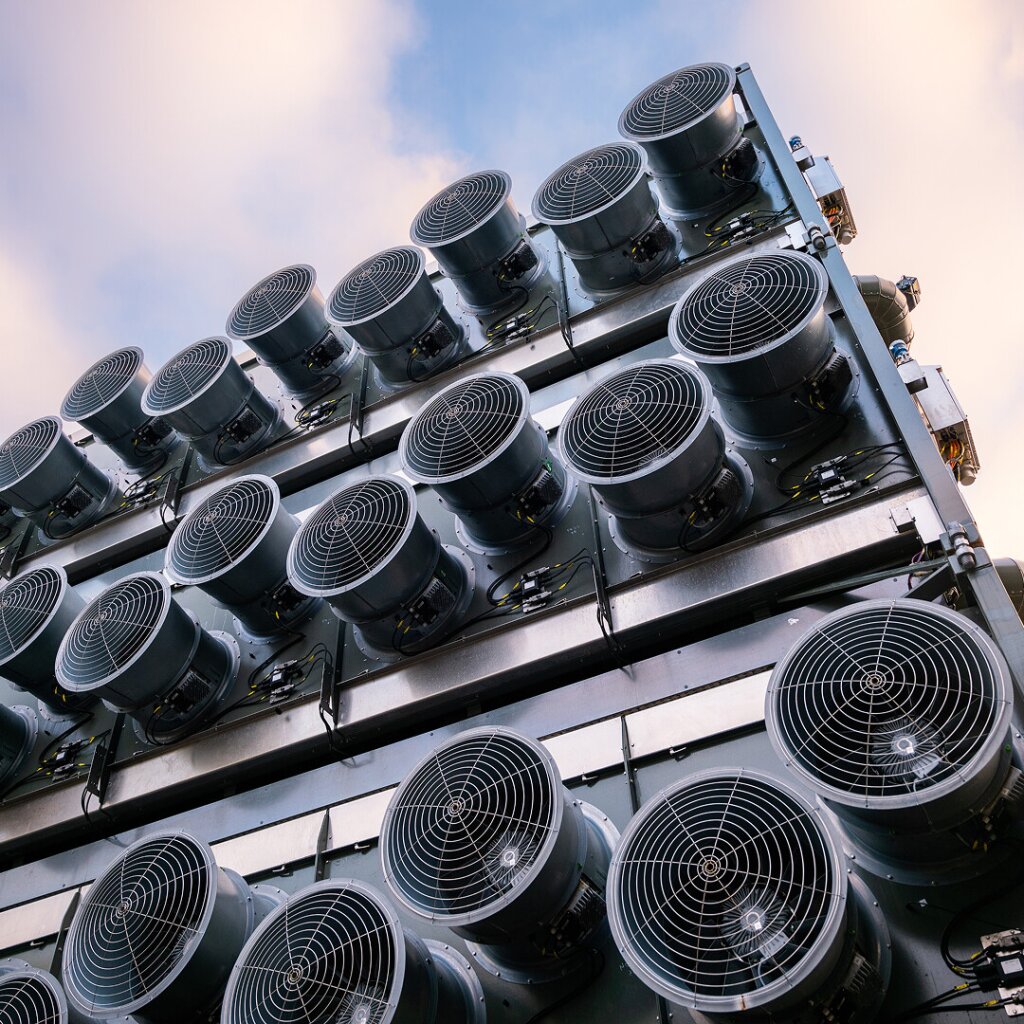. [Dive deeper into our technology](https://climeworks.com/highly-scalable-direct-air-capture). . . . . . .svg). * [Carbon removal solutions](https://climeworks.com/carbon-removal-solutions). * [Tailored portfolios](https://climeworks.com/tailored-carbon-removal-portfolios). * [Resources](https://climeworks.com/resources). * [Direct Air Capture technology](https://climeworks.com/direct-air-capture). * [Technology deep-dive](https://climeworks.com/highly-scalable-direct-air-capture). * [Projects](https://climeworks.com/projects). * [About us](https://climeworks.com/journey). * [Newsroom](https://climeworks.com/newsroom). * [Leadership](https://climeworks.com/leadership). * [Careers](https://climeworks.com/careers). * [Sustainability](https://climeworks.com/sustainability). * [Contact](https://climeworks.com/contact). * [Terms of use](https://climeworks.com/website-terms-use). * [Terms of use](https://climeworks.com/website-terms-use).

N
news.mit.edu
research
https://news.mit.edu/2024/reality-check-tech-to-remove-carbon-dioxide-from-ai…
Companies now use various carbon capture and sequestration (CCS) technologies to capture CO2 from their flue gases, but capturing CO2 from the

R
reddit.com
article
https://www.reddit.com/r/askscience/comments/bmhz23/what_is_the_current_state…
Right now, we have several CO2 reduction technologies ready to go. Starting with the most cost-effective, and omitting the use less scenarios.

W
wri.org
article
https://www.wri.org/insights/direct-air-capture-resource-considerations-and-c…
**Direct air capture (DAC) with sequestration is one carbon removal method that is already being developed, and in some cases deployed, today.** DAC is theoretically highly scalable and can be coupled with permanent CO2 storage. As of August 2025, much of this funding was under review or frozen, including for the DAC hubs, creating uncertainty about the future of DAC and broader CDR demonstration and deployment in the U.S. The 45Q tax credit, which was expanded in the 2022 Inflation Reduction Act, provides up to $180 per tonne of CO2 captured through DAC and stored permanently. There are also concerns that CO2 captured through DAC could be used to prolong fossil fuel production through a process known as "enhanced oil recovery." While enhanced oil recovery permanently sequesters the injected CO2, it also produces fossil fuels, which reduces the climate benefit of carbon removal and can cause negative impacts to the local environment and nearby communities. To capture half a million tonnes of CO2 — the scale of the largest DAC facility under construction today — 0.3-33 square kilometers would be needed for the plant and the energy resource.

I
iea.org
article
https://www.iea.org/energy-system/carbon-capture-utilisation-and-storage/dire…
Accelerating the commercial availability of large-scale electric calcination technology is considered a high priority to enable L-DAC plants to operate purely on renewable energy. In November 2022, 1PointFive and Carbon Engineering announced plans to deploy 100 large-scale DAC facilities (each with a capture capacity of up to 1 Mt per year) by 2035, at least 30 of which are expected to be deployed within the United States, owing to the IRA’s recent increase to the 45Q tax credit. Support for DAC has come from programmes such as X-Prize (offering up to USD 100 million for as many as four promising carbon removal proposals, including DAC) and Breakthrough Energy’s Catalyst programme (which raises money from philanthropists, governments and companies to invest in critical decarbonisation technologies, including DAC). For this reason, DAC needs to be demonstrated at scale, sooner rather than later, to reduce uncertainties regarding future deployment potential and costs, and to ensure that these technologies can be available to support the transition to net zero emissions and beyond.